The Hum of the Internal Forest
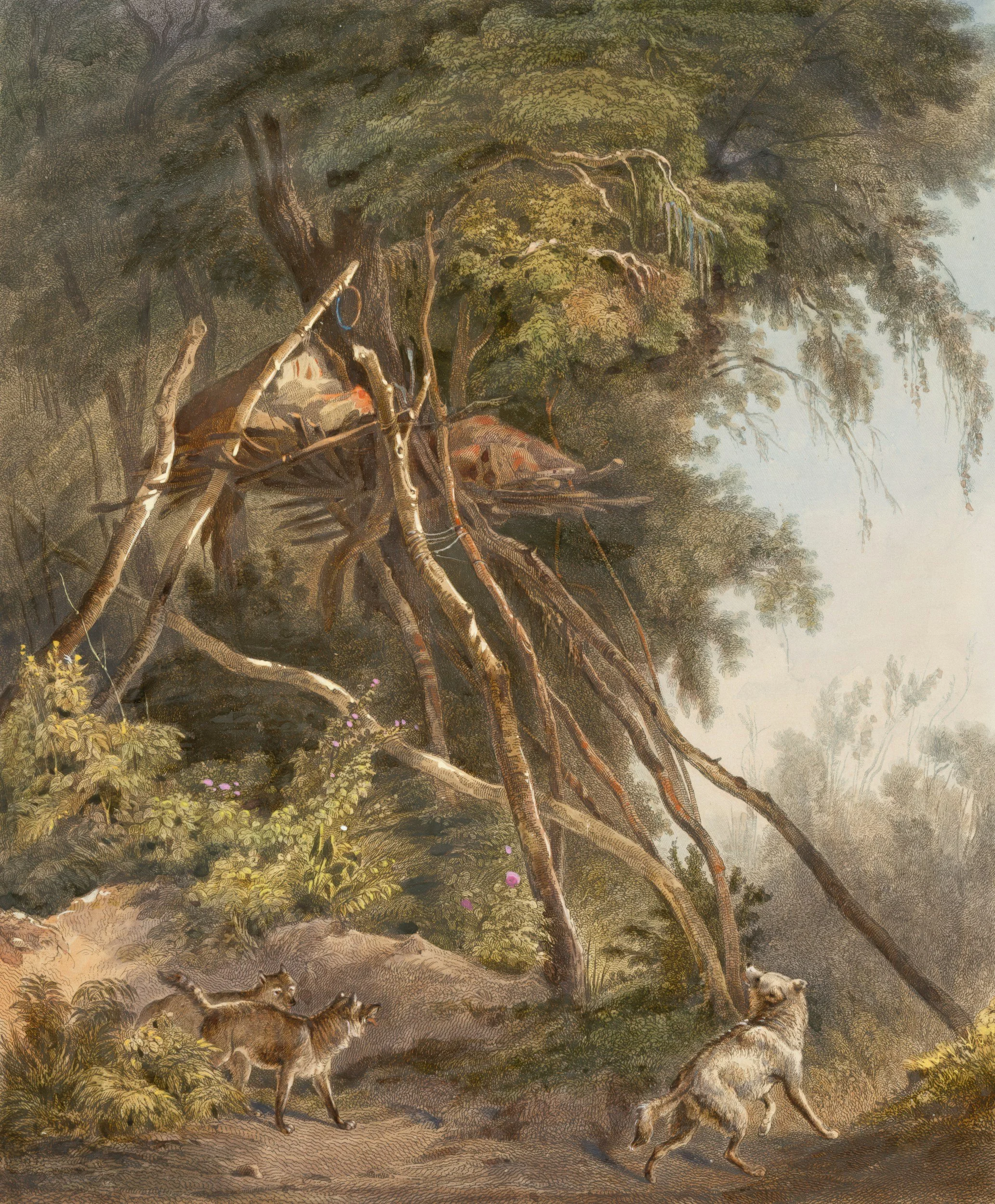
Imagine for a moment that you are walking through a deep, old-growth forest. The air is cool and damp, smelling of pine needles and rich, dark earth. Around you, the forest is humming with life that you cannot see—the rustle of a small creature in the brush, the slow stretch of a tree limb, the intricate web of roots communicating beneath your feet. There is a profound sense of a "buzzing community" that is both separate and entirely interconnected, moving together in a delicate, balanced ecology.
The Shift: From Mono-Mind to the Internal System
We often move through our lives as if we are a "mono-mind"—a single, monolithic "I" that is either "good" or "bad," "productive" or "lazy". But when we slow down enough to notice the sensory shifts in our bodies, we realize we are much more like that forest.
In the introductory material of No Bad Parts, Richard Schwartz invites us to reconsider our internal struggles not as defects, but as the activity of a "buzzing inner community". This framework, known as Internal Family Systems (IFS), suggests that we are all composed of many "parts," each with its own history, desires, and roles.
When you feel a sudden clench in your jaw or a frantic "pressing agenda" in your chest, that isn't just "stress". It is likely a Manager—a protective part of you that stepped up long ago to keep you safe, functional, and acceptable to the world. These parts aren't trying to annoy you; they are "parentified inner children" who have been working high-stakes jobs since you were small, often because they didn't trust that there was anyone else to lead.
The Reframe: Accessing the Self
The core of this work is the radical discovery that beneath these protective layers—the "critics," the "achievers," and the "distractors"—there is an undamaged, wise essence called the Self.
The Self isn't something you have to build or develop; it is already "buff with compassion" and clarity. It is like the sun—it can be temporarily obscured by the clouds of our protective parts, but it never disappears. When we practice unblending—the somatic act of asking a part to step back just a few feet to give us some space—the Self spontaneously emerges. You might feel it as a vibrating energy, a sense of "enoughness," or the quiet confidence that, for right now, everything is okay.
In our work at Fig Tree, we prioritize the "luxury of the slow down". Because I operate as a private-pay therapist, we aren't beholden to insurance companies that demand quick "fixes" or pathologizing labels. We have the space to honor the "speed of safety," earning the trust of your protectors rather than bypassing them. This unrushed, bespoke partnership allows us to move from the "particle" state of feeling alone and separate into a "wave" state of connectedness and flow.
Ready to trade internal combat for the quiet confidence of Self-leadership?
I provide 100% virtual, neuro-affirming somatic therapy for adults across Minnesota who are ready to move from a state of bracing into a life of embodied, values-aligned peace.
About the Clinical Approach
My work is rooted in a somatic, trauma-informed perspective that honors the body as the primary site of healing. I integrate Internal Family Systems (IFS) to facilitate self-leadership, Sensorimotor Psychotherapy for nervous system regulation, and Acceptance and Commitment Therapy (ACT) to help you align with your deepest values. As a neuro-affirming therapist, I do not pathologize your lived experience; instead, I hold space for the unique, often non-linear ways your system has learned to survive. My practice is intentionally private-pay, ensuring that your care is unique, unrushed, and entirely free from the constraints of insurance labels or cookie-cutter protocols. We work together as humans—not as "expert" and "patient"—to build a sustainable path toward peace that honors your capacity, your autonomy, and your humanity.
