The Internal Timekeeper’s Collapse
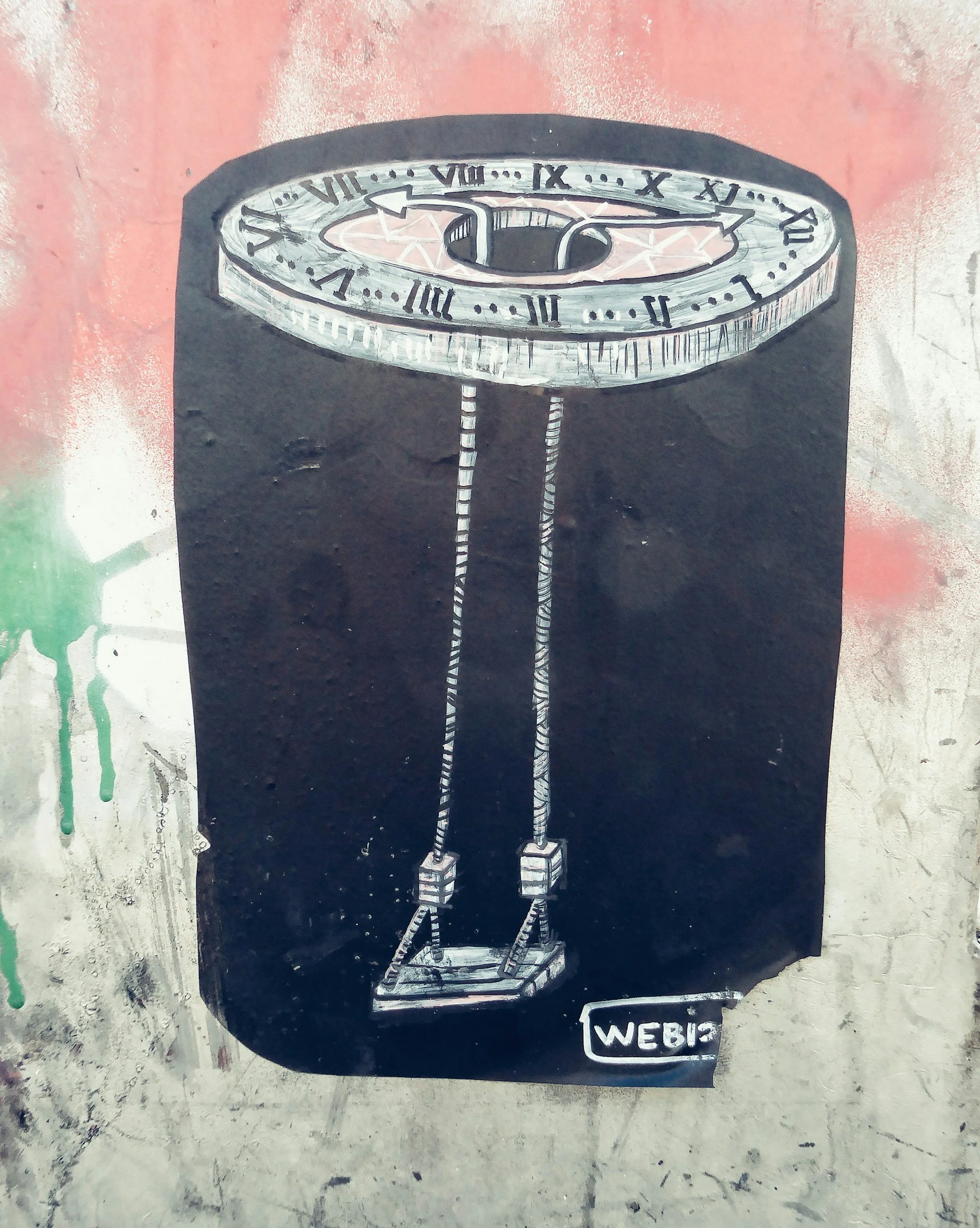
The rhythmic, steady "tock" of a grandfather clock in a quiet hallway provides a certain comfort—the world is moving forward, and this moment, however heavy, has a clear end. But for many of my clients, the internal clock has stopped. It is as if they are forever standing in the middle of a dense, blinding fog, where the "now" of the trauma feels like it will last for eternity.
This is the biological signature of the dorsolateral prefrontal cortex (DLPFC) going offline. In the clinical world, we call this the "collapse of the timekeeper". When this part of the brain—the one that helps us relate the present to the past and future—is deactivated, the sense of time dissolves. You aren't just "remembering" a difficult event; you are reliving it with no biological awareness that it actually ended years ago.
At Fig Tree Services, I prioritize a private-pay model because your internal timekeeper cannot be forced back online by deadlines. We honor the "luxury of the slow down," providing a customized container where you can feel firmly "grounded"—noticing the weight of your body in the chair and the light in the room—while we gently tend to the past. We don't rush the process, because healing only happens when you are biologically rooted in the present.
Ready to trade the "interminable now" of trauma for the steady rhythm of a life moving forward?
I provide 100% virtual, neuro-affirming somatic therapy for adults across Minnesota who are ready to move from a state of timeless reliving into a life of embodied, values-aligned peace.
