The Humming of Inner Strings: When the Body Remembers the Wave

The morning light filters through the window in quiet, shifting patterns, much like the way a gentle breeze moves through the leaves of an old oak. You might notice the specific, tactile weight of your feet against the floor, or the subtle, rhythmic expansion of your ribs with each breath. There is a "hum" in the stillness—a vibrating energy that feels less like a thought and more like a frequency. This is what we call Self-energy, and it’s the doorway to understanding what Richard Schwartz calls the "inner laws of physics" in Chapter 10 of No Bad Parts.
The Shift: From Particles to Waves
In our daily lives, we often experience ourselves as "particles"—separate, bounded entities navigating a world that feels equally fragmented. We feel the pressure in our foreheads when a Manager part is trying to solve a problem, or the tightness in our throat when a Protector is bracing for impact. These parts, burdened by past survival, often forget that we are also "waves"—inherently connected to a larger, vibrating field of compassion and calm.
In our clinical work, we move beyond the "mono-mind" idea that you are just one "messed-up" person. Instead, we track the feedback loops within your internal system. We look at how a Manager's attempt to keep you safe (the particle) might inadvertently trigger a Firefighter's desperate reaction, creating a cycle that feels like a storm. Healing happens when we unblend from these intense states and return to the "wave state"—that spacious, embodied awareness where the 8 Cs (Curiosity, Calm, Clarity, etc.) naturally arise.
Why it Matters: The Ecology of Intentional Care
Traumatized inner systems are delicate ecologies. They cannot be "fixed" with a checklist or rushed through a standardized protocol. This is why the private-pay model at Fig Tree is a fundamental part of the therapeutic container. We honor the "speed of safety," ensuring we never push past a protector without its explicit permission.
By choosing an unrushed, personalized path, we have the space to:
Notice the Subtle: We track the "placeholders" in your body—the pressure, the tingling, the temperature shifts—that signal which part is speaking.
Honor the Intent: We don't pathologize symptoms; we listen to the "messenger". Whether it's a critic or a dissociative part, we start by thanking it for its service in keeping you alive.
Resonate Together: Just as two vibrating objects will eventually "sync up," my role is to hold a steady, grounded Self-energy that your system can begin to resonate with, facilitating spontaneous self-organization and healing.
Ready to trade the exhaustion of "bracing" for the spaciousness of your natural "hum"?
I provide 100% virtual, neuro-affirming somatic therapy for adults across Minnesota who are ready to move from a state of internal fragmentation into a life of embodied, values-aligned peace.
About the Clinical Approach
My work is rooted in a somatic, trauma-informed perspective that honors the body as the primary site of healing. I integrate Internal Family Systems (IFS) to facilitate self-leadership, Sensorimotor Psychotherapy for nervous system regulation, and Acceptance and Commitment Therapy (ACT) to help you align with your deepest values. As a neuro-affirming therapist, I do not pathologize your lived experience; instead, I hold space for the unique, often non-linear ways your system has learned to survive. My practice is intentionally private-pay, ensuring that your care is unique, unrushed, and entirely free from the constraints of insurance labels or cookie-cutter protocols. We work together as humans—not as "expert" and "patient"—to build a sustainable path toward peace that honors your capacity, your autonomy, and your humanity.
Finding Your True North: When Intuition Becomes the Compass

The smell of damp soil after a rainstorm has a way of grounding you, doesn't it? It’s a scent that bypasses logic and goes straight to the nervous system. There is something profoundly honest about the way nature doesn’t perform. A tree doesn’t try to grow faster to meet someone else’s expectation of a healthy canopy; it simply responds to the water, the light, and the season it’s in.
It’s easy to lose that sense of simple, internal responsiveness in a world that constantly demands we look outward for validation. Many of us have been taught that our "inner compass"—that quiet, somatic hunch or spiritual knowing—is secondary to the loud, external pressures of work, family, and societal expectations. We learn to ignore our bodies' "no" because someone else told us it should be a "yes."
When we treat our intuition as unreliable, we become fragmented. In our sessions, we often find that a part of you—a protector part—has been hyper-vigilant, scanning the room for safety cues from others rather than checking in with you.
This is where integrating spirituality and intuition becomes a clinical act of reclamation. It isn’t about adopting a specific dogma; it’s about validating that what feels "true" to you is a legitimate data point. When we explore these quiet knowings together, we aren’t just "talking about feelings." We are using IFS (Internal Family Systems) to honor the parts of you that have had to disconnect from your own wisdom to survive. We are identifying the difference between a trauma-response fear and a genuine, intuitive pull.
This kind of deep, unrushed work is precisely why I advocate for private-pay therapy. When we aren't tethered to the rigid requirements of insurance-mandated diagnostic labels or standardized protocols, we have the space to actually listen to your system. We aren't trying to "fix" you within 12 sessions. We are building a "village" within your own internal system, helping you learn to trust your own guidance so that you can navigate your life in alignment with who you actually are, rather than who you were told to be.
If you’re feeling the weight of trying to perform a life that doesn't fit, it’s okay to pause here. This work is heavy, and you don’t have to rush through the realization that you’ve been disconnected from yourself.
Ready to trade the exhaustion of performing for the clarity of your own intuition?
I provide 100% virtual, neuro-affirming somatic therapy for adults across Minnesota who are ready to move from feeling disconnected and externally driven into a life of embodied, values-aligned peace.
About the Clinical Approach
At Fig Tree Services, my practice is rooted in a "bottom-up" approach to healing. I hold space for the wisdom already present in your nervous system. By weaving together the relational focus of AEDP, the internal mapping of IFS (Internal Family Systems), and the action-oriented grounding of ACT (Acceptance and Commitment Therapy), we move beyond pathologizing behaviors and into understanding the context of your survival. This is not about fixing broken parts; it is about tending to the garden of your internal experience with compassion, autonomy, and the permission to slow down.
When “Fixing” Isn’t the Answer, Try Anchoring
Listen to the opening notes of Gregory Alan Isakov’s "San Luis." There is a specific kind of quiet in that guitar—a breathy, unhurried space that feels less like a song and more like walking through a damp, morning forest. It creates a soundscape where your nervous system can finally drop the armor, allowing you to settle into a rhythm that isn't about productivity, but about presence.
In the hustle of modern life—and often in the clinical spaces we’ve been conditioned to expect—this kind of natural, grounded feeling is frequently left in the parking lot. We are conditioned to believe that therapy is for "fixing" symptoms or analyzing data points, not for integrating the parts of our lives that provide genuine, soulful stability.
But when we treat your connection to nature, your faith, or your internal symbols as separate from your "clinical" work, we miss out on one of the most powerful resources for nervous-system regulation.
At Fig Tree, we don't pathologize your need for meaning; we use it as a stabilizer. For clients who find strength in traditional spirituality, nature imagery, or deeply personal symbols, we weave those resources directly into our sessions. Think of this work like that song—we are cultivating a "holding environment" where the acoustic space is just as important as the melody. When your nervous system feels untethered by past trauma or the uncertainty of a major life transition, your spiritual anchors act as an internal tether.
This is where the value of private-pay therapy becomes most clear. Traditional insurance-based therapy often views "spirituality" or "nature imagery" as irrelevant, non-reimbursable fluff. But here, we have the space to treat your worldview not as a distraction, but as a valid, deeply potent clinical intervention. We have the time to help you sit with the "hard stuff" until you find your footing, without the pressure of a managed-care timeline.
Healing doesn't happen in a vacuum. If your spiritual life, your connection to nature, or your core values are the source of your resilience, we don't leave them at the door. We weave them into the fabric of your session, giving you a deeper, more profound sense of feeling "held" during the hardest transitions.
Ready to trade feeling untethered in your own body for a life that feels anchored in your own values?
I provide 100% virtual, neuro-affirming somatic therapy for adults across Minnesota who are ready to move from survival mode into a life of embodied, values-aligned peace.
About the Clinical Approach
My practice is trauma-informed, somatic-focused, and neurodivergent-affirming. I prioritize a "body-first" approach, focusing on nervous system regulation rather than symptom suppression. By utilizing IFS (Parts Work) and holistic integration, we move away from "fix-it" culture and toward a collaborative partnership that honors your autonomy, capacity, and the unique wisdom of your internal system.
The Wisdom of Discomfort: Why Your Tor-Mentors Are Actually Mentors

The weight of a heavy wool blanket settled over your shoulders, the coarse texture a grounding reminder of the physical world while your mind feels caught in a sudden, sharp storm. You might notice your breath catching in the upper reaches of your chest or your palms growing damp as a familiar, prickly heat rises in your neck. This is a trailhead—a sensory invitation from your body, signaling that a "tor-mentor" has just stepped into the room of your life.
The Shift: From Trigger to Trailhead
In the clinical work of Internal Family Systems (IFS), specifically the lessons found in Chapter 9 of No Bad Parts, we explore the radical idea of "tor-mentors". These are the people or events that trigger us most deeply. In a traditional "fix-it" model, these triggers are seen as symptoms to be silenced or managed. But in our work together, we reframe them as mentors.
These difficult moments are not defects; they are "trailheads". They are precise, somatic maps leading us toward the "exiles"—those young, wounded parts of you that have been tucked away for years to keep you functional. When someone’s judgment makes your inner critic flare, they aren't just "annoying" you; they are illuminating exactly where a part of you still carries a burden of unworthiness or fear.
Why it Matters: The Luxury of the Unrushed Process
Moving toward these "tor-mentors" requires a high level of internal safety. It is a delicate ecology that cannot be forced or hurried. This is why the private-pay model at Fig Tree is so essential to the healing process. We aren't beholden to insurance checklists that demand we "resolve" a trigger in six sessions.
Instead, we have the luxury of the slow down. We can spend an entire hour simply being curious about the bracing in your jaw when you think of a specific person. We use somatic tools like Sensorimotor Psychotherapy and AEDP to ensure your nervous system stays regulated as we follow that trailhead. We don’t bypass your protectors; we earn their trust. This unrushed, personalized care allows us to move from "protector wars" into a state of Self-led clarity where you can finally speak for your parts rather than from them.
Ready to trade the exhaustion of "internal combat" for the quiet curiosity of Self-leadership?
I provide 100% virtual, neuro-affirming somatic therapy for adults across Minnesota who are ready to move from a state of bracing into a life of embodied, values-aligned peace.
About the Clinical Approach
My work is rooted in a somatic, trauma-informed perspective that honors the body as the primary site of healing. I integrate Internal Family Systems (IFS) to facilitate self-leadership, Sensorimotor Psychotherapy for nervous system regulation, and Acceptance and Commitment Therapy (ACT) to help you align with your deepest values. As a neuro-affirming therapist, I do not pathologize your lived experience; instead, I hold space for the unique, often non-linear ways your system has learned to survive. My practice is intentionally private-pay, ensuring that your care is unique, unrushed, and entirely free from the constraints of insurance labels or cookie-cutter protocols. We work together as humans—not as "expert" and "patient"—to build a sustainable path toward peace that honors your capacity, your autonomy, and your humanity.
The Coat You Didn’t Choose

Imagine you’re walking down a wooded path in early spring. The air is crisp, and the ground is soft under your boots. You’re wearing a heavy, wool-lined coat—the kind you’ve had for years. It was comforting in the deep winter, but today, the sun is breaking through the trees. It’s getting warm. You notice your shoulders aching, and a persistent, dull tightness pulling at your lower back. You’ve been wearing this coat so long that you’ve forgotten you could simply unzip it and take it off.
It is a small, physical moment that mirrors something much deeper. Often, the "weight" we carry through our days—the sense of obligation, the ancestral anxiety, the relational pressure—doesn't actually belong to us. We have been wearing these heavy layers for so long that we have mistaken them for our own skin.
In our sessions, we pause to look at what you’re carrying. Many of my clients arrive feeling like they have to hold everything up—for their family, their past, or their history. They are walking around with invisible packs filled with expectations and burdens that aren't theirs to bear.
Our work here isn't about "fixing" a defect in you; it’s about identifying what isn't yours to carry. When we do this work, the relief isn't just mental—it’s visceral. It’s the difference between trying to navigate your life in a winter coat that no longer fits, and stepping into the air unburdened, finally able to be present.
This is the beauty of private-pay, personalized therapy. We don't have to rush through a diagnostic checklist to "manage" your symptoms. We don't have to follow a cookie-cutter protocol. We have the space to sit with these heavy layers, gently untangle them, and distinguish what belongs to your history from what belongs to your current, living self.
Ready to trade the heavy weight of ancestral and relational obligation for the freedom of being fully present in your own life?
I provide 100% virtual, neuro-affirming somatic therapy for adults across Minnesota who are ready to move from feeling perpetually responsible for everyone else into a life of embodied, values-aligned peace.
About the Clinical Approach
I offer private-pay, neuro-affirming somatic therapy grounded in the belief that healing is a collaborative, unrushed process. By integrating IFS (Internal Family Systems), sensorimotor, and somatic-informed modalities, we move beyond just "talking" about trauma. We work with the nervous system to build safety, honor your unique neurodivergence, and reclaim your capacity for rest, joy, and agency.
The Myth of the Clinical Mask: Why Therapy Needs to be Human-to-Human
The hum of the HVAC unit in a traditional therapy office can be deafening, especially when you are sitting across from someone whose primary job is to remain "neutral." You know the feeling: the room is quiet, perhaps a bit sterile, and the person across from you is nodding with a carefully practiced stillness. They are a blank slate. They are the expert. They are "The Therapist."
But in the quiet of that space, your body likely knows the truth. It feels the distance. It feels the "professional" barrier that turns a human interaction into a performance. You might feel the subtle, creeping pressure to present yourself in a way that is palatable, coherent, or "healed enough" for the person in the chair.
What if we set that performance down?
The Shift: Transparency as a Tool
In our work together, I am not a blank slate. I am a human being—one who is also navigating the complexities of existence, the pulls of my own nervous system, and the occasional urge to "fix" rather than "witness."
When we hold the "clinical mask" in place, we unintentionally signal that there is a right way and a wrong way to be human. We reinforce the idea that to be "well" is to be polished, contained, and above the struggle. But true healing isn't about reaching a state of perfect polish. It’s about becoming more deeply, vulnerably human.
When I feel the pull to solve your pain, I don’t hide it behind a clinical nod. I name it. I might say, "I notice my internal 'fixer' part is feeling quite active right now, wanting to take this weight off your shoulders. Can we pause and just witness that together instead?"
That moment of naming is not a failure of my expertise; it is the intervention itself. It creates a container where you don't have to be perfect, because you can see that I am not trying to be perfect, either.
Why This Matters: The Value of Unrushed Space
This level of radical transparency simply isn't possible in systems that rely on billable diagnostic codes. When a system mandates "symptom suppression," the therapist is forced to prioritize the "how-to" over the "who."
Private-pay therapy is an investment in freedom—not just from insurance bureaucracy, but from the constraint of performance. Because we aren't chasing a diagnosis to satisfy a third-party payer, we have the luxury of slow, relational work. We have the space to sit with the "swirl" until it becomes still. We can move at the speed of your nervous system, allowing us to build a safety that feels genuine, rather than simulated.
When you know you are being seen by another human—not analyzed by a professional robot—your system can finally exhale. You stop trying to "do" therapy, and you start actually experiencing it.
Ready to trade the performance of "being well" for the messy, beautiful reality of being known?
I provide 100% virtual, neuro-affirming somatic therapy for adults across Minnesota who are ready to move from the exhaustion of masking into a life of embodied, values-aligned peace.
About the Clinical Approach
My practice is rooted in Somatic-Informed Trauma Therapy, Internal Family Systems (IFS), and Neuro-Affirming care. I do not view your experiences as "symptoms" to be suppressed or "defects" to be fixed; rather, I treat them as signals from an intelligent system that is trying to keep you safe. By integrating sensory awareness, nervous system regulation, and a collaborative, human-to-human partnership, we create a space where you can dismantle the pressure to perform and reclaim your autonomy. Whether we are utilizing IFS to foster internal team collaboration, or using spiritual and symbolic resources to ground you during transitions, our work is personal, unrushed, and entirely centered on your unique, whole-person path to peace.
The Hum of Purpose: When Every Part Sings
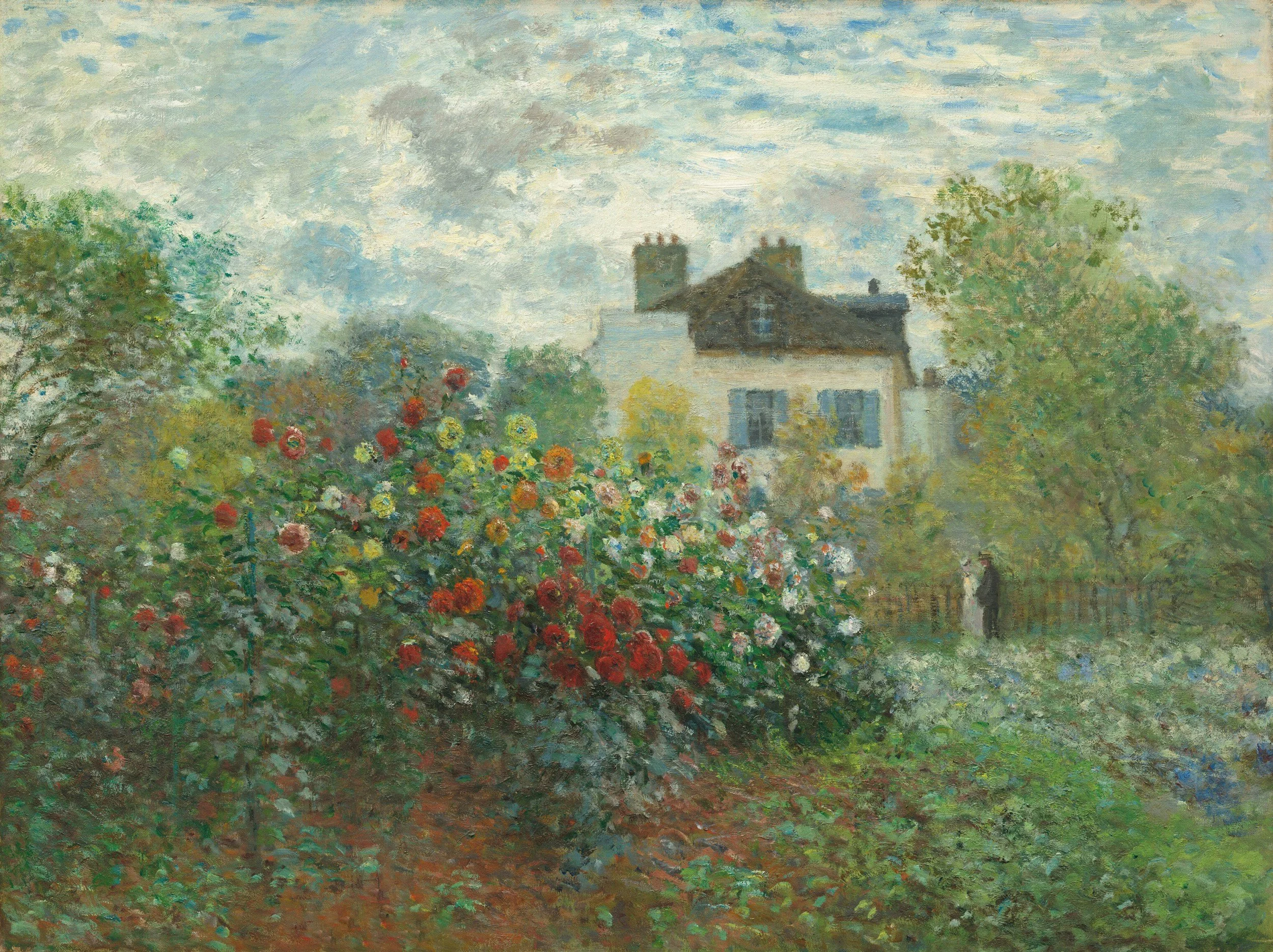
The air in the garden is heavy and sweet with the scent of damp earth and blooming lavender, a silent vibration of life that hums just beneath the surface of the soil. As you sit here, you might notice a similar resonance within your own body—a quiet, tingling energy in your hands or a sudden, spacious ease in your chest. This isn't just relaxation; it is the physical signature of "flow," a sacred state where the internal noise of shoulds and musts finally quietens, leaving only the clear, steady pulse of your true nature.
The Shift: From Performance to Alignment
In our work together, we often explore the clinical anchor of Self-Led Purpose. For many of us, our "purpose" has felt like another heavy burden—a performance goal set by a demanding inner manager to prove we are worthy of existing. But chapter 8 of No Bad Parts offers a radical reframe: purpose is not a task you complete; it is a "wave state" of being that emerges naturally when your parts trust you enough to stop working so hard.
When we unburden the parts of us that carry old scripts of "not enough," something remarkable happens. Those same parts—the ones that used to drive you to exhaustion or keep you small—transition into their naturally valuable states. Your inner critic might become a discerning advisor; your hyper-vigilance might transform into a deep, creative connection to the world. In this state of "interbeing," your internal team is no longer fighting for control; they are fully aligned with the Self's innate desire for harmony and healing.
Why the Unrushed Path Matters
This level of integration cannot be found in a manual or a ten-session protocol. Because I prioritize a private-pay model, we have the luxury of the "slow down." We don't push past your protectors to get to a "result". Instead, we honor the "speed of safety," building a relationship of such deep trust that your parts choose to meld their energy with yours.
In this space, we treat your internal conflicts as a team dynamic rather than a defect to be solved. We are not trying to "fix" you; we are uncovering the "divine essence" that has been there all along, waiting for the running around to cease.
Ready to trade the exhausting pursuit of "finding" your purpose for the quiet joy of embodying it?
I provide 100% virtual, neuro-affirming somatic therapy for adults across Minnesota who are ready to move from internal fragmentation into a life of embodied, values-aligned peace.
About the Clinical Approach
Internal Family Systems (IFS) is a non-pathologizing, evidence-based model that views the mind as a system of "parts" (Managers, Firefighters, and Exiles) led by a core "Self". Healing involves befriending protective parts to gain permission to access and unburden the wounded "inner children" (Exiles) they protect. This "bottom-up" approach integrates somatic awareness and relational equity to foster lasting internal harmony and Self-leadership.
When "Being Right" Costs You Your Peace

There is a specific temperature that rises in the body when we feel misunderstood. It starts as a sharp inhale that never quite exits the lungs, followed by a sudden, metallic tightness in the jaw. Your shoulders creep toward your ears, creating a fortress around your heart. In that moment, the internal "Rightness Meter" pegs to the maximum. You have the facts, you have the logic, and you have the moral high ground. You are right—and it feels like fire.
But beneath that fire is a cold, isolating truth: the more we armor ourselves in righteousness, the further we drift from the people we love.
The Shift: From Armor to Authenticity
Righteousness is often a survival strategy. For many of us, especially those with neurodivergent or traumatized systems, "being right" was the only way to feel safe or seen in a world that frequently misunderstood our intentions. It is a protective shell. But when we stay inside that shell, we trade connection for correctness.
The shift begins when we recognize that this defensive posture isn't an act of strength—it’s an act of bracing. Moving toward authentic vulnerability means slowly lowering the shield, even when our nervous system screams that it’s dangerous. It’s the move from "I need you to admit I’m right" to "I need to feel like we’re on the same team."
The Reframe: Generous Assumptions and Unhurried Care
In our sessions, we often explore the tool of "Generous Assumptions." This isn't about being a doormat; it’s about choosing to believe—until proven otherwise—that the other person’s "wrongness" isn't a targeted attack, but a reflection of their own capacity, history, or unmet needs.
This kind of deep, internal work doesn't happen in a rush. It’s why I’ve intentionally structured my practice as private-pay and unhurried. True somatic integration requires the space to notice the jaw tightening before the words come out. It requires a therapeutic container where we aren't checking boxes for insurance, but instead honoring the slow, non-linear pace of a nervous system learning to trust again. When we stop performing "the perfect patient" or "the person who is always right," we finally have the capacity to be the person who is finally at peace.
The Invitation
Ready to trade the exhausting weight of being right for the quiet ease of being connected?
I provide 100% virtual, neuro-affirming somatic therapy for adults across Minnesota who are ready to move from a state of constant defensive bracing into a life of embodied, values-aligned peace.
Clinical Approach
My work is rooted in a neurodivergent-affirming and trauma-informed lens, prioritizing the unique wiring of your nervous system. I utilize somatic-informed techniques to help you reconnect with bodily wisdom, alongside Internal Family Systems (IFS/parts work) to navigate the different protective voices within. This is a low-demand therapeutic space—there is no performance required here, only a relational, human-centered path toward healing.
Who’s Running the Meeting? Moving from Internal Combat to Internal Cooperation.
Imagine you’re sitting at a heavy, worn oak dining table. It’s quiet in the room, but inside your chest, it sounds like a busy restaurant at 7:00 PM. Someone is shouting about the email you forgot to send. Someone else is whispering that you’re a fraud. A third person is pacing, trying to figure out how to look "normal" so no one notices the first two.
This is the somatic reality of internal conflict—it isn't just a mental experience. It’s the tightness in your throat, the shallow breath, and the persistent hum of adrenaline that tells your body you aren’t safe, even when you’re sitting on your own couch.
We often call this "Parts Work," but that can sound a bit sterile. In practice, it feels less like a clinical theory and more like diplomacy. When we feel overwhelmed, it’s because our internal system has descended into a chaotic argument where every part is trying to take the lead at once. You aren't "bad" or "defective" for having these conflicting impulses; you’re simply a conductor who hasn't yet had the chance to lead your own orchestra.
Instead of trying to "fix," silence, or kill the parts of you that cause trouble—the inner critic, the perfectionist, or the protector who demands you mask—what if we invited them to a table meeting?
This is where the true value of private-pay care emerges. Insurance-based models are often built on a "fix-it" approach—silencing symptoms quickly to meet a diagnostic code. But this work is different. It is an attuned, unhurried orchestration. Because we aren't tethered to insurance labels, we have the space to sit with the "Go Part" that’s hyper-vigilant and ask it what it’s actually protecting, rather than just forcing it to be quiet.
We move from "What is wrong with me?" to "What is my internal team trying to communicate?" We acknowledge that your defensiveness is actually a protector, not a defect. When we create this visual space—this table—for your 'pleasing' self, your 'authentic' self, and your 'fearing' self to sit together, the system begins to settle. Your Adult Self finally takes the conductor’s stand, and the internal combat shifts into cooperation.
Ready to trade the relentless internal civil war for a seat at the table?
I provide 100% virtual, neuro-affirming somatic therapy for adults across Minnesota who are ready to move from a chaotic inner tug-of-war into a life of embodied, values-aligned peace.
About the Clinical Approach
My work is rooted in a somatic, trauma-informed perspective that honors the body as the primary site of healing. I integrate Internal Family Systems (IFS) to facilitate self-leadership, Sensorimotor Psychotherapy for nervous system regulation, and Acceptance and Commitment Therapy (ACT) to help you align with your deepest values. As a neuro-affirming therapist, I do not pathologize your lived experience; instead, I hold space for the unique, often non-linear ways your system has learned to survive. My practice is intentionally private-pay, ensuring that your care is unique, unrushed, and entirely free from the constraints of insurance labels or cookie-cutter protocols. We work together as humans—not as "expert" and "patient"—to build a sustainable path toward peace that honors your capacity, your autonomy, and your humanity.
Beyond the Armor: Finding Your Inner Parent

The air in the room is still, save for the soft, rhythmic hum of the heater and the scent of cedar oil lingering in the fabric of your sleeves. As you sit, you might notice a subtle tightening in your solar plexus—a quiet, internal "leaning in" or "bracing" that has become your default setting for navigating the world. This is the physical signature of a protector that has spent years believing it must be the one to hold everything together.
The Shift: From Internal Guard to Inner Parent
In our exploration of "Self-leadership," we are looking at a fundamental shift in your internal hierarchy. We often move through the world "blended" with our protectors—those parts of us that use judgment, hyper-vigilance, or high-performance to keep our more vulnerable "exiles" safe. But there is another way to be. When these protectors are invited to step back, even just a few inches, we find the "Self"—a core seat of consciousness that is naturally curious, calm, and compassionate.
The clinical anchor here is the concept of Internal Attachment. Just as a child needs a secure base to thrive, your internal parts need to know that you—your adult Self—are the primary caretaker. Healing happens when your parts realize they no longer have to lead the system because you are finally here to be the "dad" or "mom" to the little boy or girl curled in a ball inside.
Why the Unrushed Path Matters
In a world that demands quick fixes and "cookie-cutter" protocols, we choose the luxury of the slow down. This isn't about forcing a part to change; it's about building trust until that part chooses to relax. In our private-pay partnership, we have the freedom to follow the "speed of safety." We don't use grounding skills as a way to bypass your pain; instead, we simply ask the parts to not overwhelm us, trusting that the Self is "the I in the storm"—the calm depth beneath the roiling waves.
When you lead from Self, your external interactions change, too. You move from "power over" (judging others to feel safe) to "power with" (staying curious even in conflict). You become a "systems thinker," realizing that when one part of you is burdened, it affects the whole, and the same is true for the world around you.
Ready to trade the exhaustion of being led by your armor for the quiet authority of your heart’s desires?
I provide 100% virtual, neuro-affirming somatic therapy for adults across Minnesota who are ready to move from internal fragmentation into a life of embodied, values-aligned peace.
About the Clinical Approach
Internal Family Systems (IFS) is a non-pathologizing, evidence-based model that views the mind as a system of "parts" (Managers, Firefighters, and Exiles) led by a core "Self". Healing involves befriending protective parts to gain permission to access and unburden the wounded "inner children" (Exiles) they protect. This "bottom-up" approach integrates somatic awareness and relational equity to foster lasting internal harmony and Self-leadership.
The "Internal Bench": Turning Internal Combat into Collaboration

Imagine a long, wooden bench set in a quiet, sun-dappled corner of a garden. On this bench, there is room for everyone. There is space for the part of you that is terrified of making a mistake, the part that wants to hide away from the noise of the world, and the part that feels an urgent, vibrating need to please everyone around you. Often, we spend our lives trying to push these parts off the bench, treating our internal friction like a "problem" to be solved or a "defect" to be fixed. We engage in an exhausting internal combat, hoping that if we just fight ourselves hard enough, we will finally become the "productive" or "easygoing" person society demands.
In our work together, we stop the fight. We stop trying to "fix" you and instead start inviting your internal team to the table—or, in this case, the bench.
From Internal War to Strategic Cooperation
For the neurodivergent and trauma-impacted system, these "difficult" behaviors are almost always brilliant protective strategies. That part of you that "freezes" when faced with a to-do list? It might be pulling the emergency brake to save you from total sensory burnout. That "pleasing" self? It likely learned that staying small and helpful was the only way to stay safe in a chaotic environment.
By moving away from pathologizing these responses, we create a "no-performance" sanctuary where you can finally put down the mask of competency. We prioritize System Navigation over symptom management.
Befriending the Protectors: Using Internal Family Systems (IFS), we acknowledge the protective intent behind your anxiety or "stuckness," moving from self-judgment to genuine self-compassion.
Somatic Literacy: We treat your physical needs—the urge to move, to hold a pillow, or to sit in silence—as vital clinical data, not inconveniences to be "managed".
Radical Relational Equity: In this private-pay partnership, you are not a chart number or a diagnosis code. We have the luxury of pacing—moving at the speed of safety so that your system can truly integrate change rather than just "performing" wellness.
The goal isn't to make you a "better machine" for a high-demand world. The goal is to help you become a more regulated, authentic human who can finally listen to their own internal compass and choose a life aligned with their true values.
Ready to trade internal combat for a restorative partnership?
I provide 100% virtual, neuro-affirming somatic therapy for adults across Minnesota who are ready to move from internal conflict into a life of embodied, values-aligned peace.
About the Clinical Approach
My approach to therapy is rooted in the belief that true healing begins when we stop working against ourselves. At Fig Tree Services, I specialize in neurodivergent-affirming, somatic-informed trauma care. My work utilizes an integrative, evidence-based toolkit, including:
Internal Family Systems (IFS): We compassionately explore the parts of you—the exhausted, the protective, and the critic—to help you find inner harmony rather than self-judgment.
Acceptance and Commitment Therapy (ACT): We focus on building the psychological flexibility to pursue a values-aligned life, even while navigating chronic pain or trauma.
Sensorimotor Psychotherapy: We use your body’s signals as a roadmap to gently release stored stress and trauma, moving beyond just "talking about" your symptoms.
AEDP (Accelerated Experiential Dynamic Psychotherapy): We build a deeply relational, attuned space where you can safely feel and process emotions, knowing you are not alone in the work.
...to help clients move beyond trauma-driven adaptation toward authentic self-assertion. This creates a safe, relational container that honors individual capacity and fosters nervous system regulation. To learn more about the therapeutic modalities used at Fig Tree Services, visit www.fig-tree-services.com.
Therapy Isn't a "Practice Room"—It’s the Real World.
The rhythm in the song "Wheel Well" by Bad Books feels like the steady, percussive hum of a car in motion—a constant, reliable cycle that persists whether you are sitting in a quiet therapy office or navigating the noise of a grocery store aisle. It’s a rhythmic reminder that your humanity doesn't have an "off" switch. Like the wheel spinning within the well of a car, you are always in motion, always connected to the air in your lungs, the weight of your feet, and the history you carry in your cells.
We’ve been conditioned to treat therapy like an island—a safe, quiet space you visit to "do the work," and then leave behind to return to the "real continent" of your actual life. But the truth is, the healing you seek isn't something you can bottle up in an office. By compartmentalizing therapy, we accidentally reinforce the very isolation we’re trying to escape.
In AEDP (Accelerated Experiential Dynamic Psychotherapy), we often talk about the "undoing of aloneness." This is the core of our work together: the realization that you are not meant to navigate the chaos of your internal or external world by yourself. When we create this space, we aren't just "talking about problems"; we are sharing the weight of your experience so that you don't have to hold it in a vacuum. You aren't "doing therapy"—you are finding a relational anchor that makes the rest of your life possible.
Think of the wheel well: it is the specific space where the tire meets the car—the physical, essential point of contact where raw motion becomes stability. In our work together, we are looking for those same points of contact in your daily life: a breath, a sensory grounding, a shared moment of recognition. These aren’t just "coping skills"; they are the infrastructure that keeps you connected to your true self and to the support you deserve, even when the world feels chaotic.
This is why I choose to work outside the insurance model. Traditional healthcare often forces us to fragment you into "symptoms to be treated." That isn't how your system works. You aren't a puzzle of broken pieces needing a patch; you are one integrated, relational system. Private-pay therapy gives us the freedom to stop "treating" a diagnosis and start building your capacity to carry that sense of wholeness—and that sense of not being alone—with you, whether you’re in a high-stakes meeting or your living room.
We aren't here to keep you safe in a container; we are here to help you carry that connection with you, so you can be whole, grounded, and present—everywhere.
(If you are feeling overwhelmed by the idea of being "integrated" right now, it is OK to let yourself take a moment. If it feels OK, try breathing deeply until you can imagine the air flowing into your feet. In our work, there is no rush to get this "right.")
Ready to trade the feeling of being "siloed" for the freedom of carrying your sense of peace everywhere you go.
I provide 100% virtual, neuro-affirming somatic therapy for adults across Minnesota who are ready to move from a life of trying to "manage" their internal states into a life of embodied, values-aligned peace.
About My Clinical Approach
My practice is rooted in a "Body-First" philosophy, prioritizing your nervous system's capacity over rigid, directive protocols. I draw from Internal Family Systems (IFS), Sensorimotor Psychotherapy, ACT, and AEDP to help you navigate trauma and neurodivergence without pathologizing your experiences. I believe your spiritual life, your joy, and your connection to nature are not separate from your healing—they are essential evidence of it. Because my practice is private-pay, we are able to focus entirely on your real-time needs and pacing, rather than satisfying the requirements of a third-party payer.
Befriending the Gatekeepers

The afternoon light is slanting across the floor, catching the dust motes in a slow, rhythmic dance while the weight of your body settles into the familiar, soft resistance of your chair. There is a subtle, almost invisible bracing in your shoulders—a quiet "on call" energy that has been holding the fort all day. This is the tactile language of your protectors: the diligent inner managers who have learned that the only way to keep the system safe is to never truly rest.
The Sacred Work of the "Retirement Plan"
In the world of Internal Family Systems (IFS), we often talk about the process of "unburdening." But before we can ever reach those tender, exiled parts of us that carry the heavy weight of worthlessness or shame, we must first sit with the ones who have been standing guard. These managers are not "defects" to be bypassed; they are parentified inner children who were pressed into service far too young.
The clinical shift we practice isn't about firing these protectors. It’s about offering them a retirement plan. When a protector finally trusts that the "Self"—that compassionate, calm essence within you—is actually capable of leading, it can finally transition from a high-stakes survival role into a healthier, preferred way of being. A harsh inner critic might become a discerning advisor; a hypervigilant manager might become a source of focused creativity.
Why We Choose the Unrushed Path
This transition cannot be forced by a manual or an insurance-mandated deadline. In our private-pay partnership, we prioritize what I call "the luxury of the slow down." We respect the "speed of safety," meaning we never push past a protector without its explicit permission.
If we rush to "fix" the symptom, we often trigger a "backlash" from the very parts trying to help us. Instead, we take the time to ask the protector: "What do you fear would happen if you stopped working so hard?" This question, asked from a place of genuine curiosity rather than clinical performance, allows the nervous system to unbrace. We move from "internal combat" to a collaborative "internal bench," where every part of your team is finally seen and valued.
Ready to trade the exhaustion of constant inner bracing for the ease of Self-led flow?
I provide 100% virtual, neuro-affirming somatic therapy for adults across Minnesota who are ready to move from internal fragmentation into a life of embodied, values-aligned peace.
About the Clinical Approach
Internal Family Systems (IFS) is a non-pathologizing, evidence-based model that views the mind as a system of "parts" (Managers, Firefighters, and Exiles) led by a core "Self." Healing involves befriending protective parts to gain permission to access and unburden the wounded "inner children" (Exiles) they protect. This "bottom-up" approach integrates somatic awareness and relational equity to foster lasting internal harmony and Self-leadership.
Finding God in the Garden: How Holistic Healing Incorporates Your Spiritual Values

There is a reason we find ourselves drawn to the garden when the noise of the world becomes too much. Whether it is the quiet rhythm of weeding, the smell of damp earth, or the visual safety of green-on-green growth, nature provides a regulation that words alone often cannot reach. For those of us navigating high-achievement, neurodivergence, or the weight of trauma, the garden isn't just a hobby; it is a somatic sanctuary. Here, the 'to-do' list fades, and we find a space where the Divine isn't demanding performance, but simply inviting us to exist.
Moving from Spiritual Performance to Presence
Many of us carry an internalized pressure to 'do' spirituality correctly, which can lead to performance-based guilt. In the garden, that pressure shifts. We move from the 'active striving' of faith into the 'passive receiving' of the natural world. By grounding your spiritual identity in the rhythm of the garden—the seasonal cycles of growth, rest, and dormancy—you can begin to see your own nervous system through a lens of grace rather than judgment.
The Garden as a Somatic Sanctuary
Healing happens when we move beyond the abstract and into the sensory. Imagine the tactile grounding of cool, damp soil against your palms—a physical weight that anchors a fluttering nervous system. There is a rhythm in the garden: the steady, meditative pace of weeding, the smell of sun-warmed earth, and the visual quiet of green-on-green growth. These aren’t just hobbies; they are direct somatic interventions. A 'garden' of the mind serves as a powerful visualization where you can invite an exhausted, protective part of yourself to finally sit down. People sometimes use this visualization as an IFS-based anchor. When their inner "fixer" begins to spin, they can imagine that part resting on a shaded bench, allowing the Divine presence to hold the weight of the work while their body simply breathes with the rhythm of the living world.
A Sanctuary for Your Whole Self
The benefit of a private-pay therapeutic partnership is the freedom to focus entirely on your personal goals without the constraints of insurance-mandated "standardized" models. We have the luxury of time to explore the intersection of your psychological needs and your spiritual journey, ensuring that your faith supports your capacity rather than adding to your depletion.
You don’t have to "fix" your internal world or banish your doubts to find peace here. You simply need a space where your unique "colors and shapes" are honored, and your spiritual identity is respected as a refuge for your body.
Ready to trade the pressure of spiritual performance for a space of true sanctuary?
I provide 100% virtual, neuro-affirming somatic therapy for adults across Minnesota who are ready to move from spiritual obligation into a life of embodied, values-aligned peace.
You can request to schedule your initial consultation here: https://www.fig-tree-services.com/specialized-therapy-services-mn.
About the Clinical Approach
My approach to therapy is rooted in the belief that true healing begins when we stop working against ourselves. At Fig Tree Services, I specialize in neurodivergent-affirming, somatic-informed trauma care. My work utilizes an integrative, evidence-based toolkit, including:
Internal Family Systems (IFS): We compassionately explore the parts of you—the exhausted, the protective, and the critic—to help you find inner harmony rather than self-judgment.
Acceptance and Commitment Therapy (ACT): We focus on building the psychological flexibility to pursue a values-aligned life, even while navigating chronic pain or trauma.
Sensorimotor Psychotherapy: We use your body’s signals as a roadmap to gently release stored stress and trauma, moving beyond just "talking about" your symptoms.
AEDP (Accelerated Experiential Dynamic Psychotherapy): We build a deeply relational, attuned space where you can safely feel and process emotions, knowing you are not alone in the work.
to help clients move beyond trauma-driven adaptation toward authentic self-assertion. This creates a safe, relational container that honors individual capacity and fosters nervous system regulation. To learn more about the therapeutic modalities used at Fig Tree Services, visit https://www.fig-tree-services.com/.
Finding Your Rhythm: How to Carry "Home" With You
Listen to the opening of The Stable Song by Gregory Alan Isakov. Before a single word is sung, there is the steady, rhythmic picking of the acoustic guitar. It’s delicate, but it has a gravity to it. It mimics something biological—a heartbeat, or the cadence of a breath when you are finally, truly at rest.
When you listen, it creates an immediate auditory space—a quiet pause in the middle of a noisy environment.
We often come to therapy looking for that same specific "quiet." Many of my clients initially view our sessions as the only place they feel safe, the only room where their nervous system is allowed to drop its guard. It is a relief to have that container, certainly. But the goal of our work isn’t to keep you tethered to this office, or to a specific hour of the week, in order to feel regulated.
The goal is to help you build that "stable" structure inside your own nervous system, so you can inhabit it anywhere—in a library, in nature, or even in the middle of a chaotic commute.
Because I work in a private-pay, neuro-affirming model, we aren't racing to meet the requirements of an insurance company. We have the space to slow down and practice the "carry-over." We don't just talk about your challenges; we map your body’s unique language for safety. We practice anchoring that feeling so that when life feels intense, you aren't just looking for an external exit—you are finding the "stable" rhythm you’ve cultivated within yourself.
This is the shift from dependency to autonomy. I’m not just "holding space" for you; I’m teaching you how to hold your own space. It is a practice of liberation. You are the architect of your own safe home, and the best part is that you get to take the blueprints with you wherever you go.
Ready to trade the need for an external "safe place" for the ability to build "safe space" within your own nervous system?
I provide 100% virtual, neuro-affirming somatic therapy for adults across Minnesota who are ready to move from a state of external reliance into a life of embodied, values-aligned peace.
About My Clinical Approach
My practice is grounded in the belief that the body holds the wisdom you need to heal. I integrate Internal Family Systems (IFS), Somatic Experiencing, and Acceptance and Commitment Therapy (ACT) to help you untangle internal conflicts and restore nervous system regulation. My work is neuro-affirming and trauma-informed, meaning we honor your unique neurotype and avoid pathologizing language. We focus on capacity, autonomy, and sustainable, "bottom-up" healing—helping you move from simply surviving to inhabiting a life that feels authentic to you.
The Internal Compass: Finding Your Way Home Through Mapping

The soft, rhythmic scratching of a pencil against paper—a charcoal line curving into a circle, then another—can feel like a homecoming. There is something deeply grounding in the act of externalizing the internal, of taking the swirling, often contradictory weather patterns of your mind and giving them a shape, a name, and a place to rest. In our sessions, we often start here, not with a goal to "fix" what is broken, but with a quiet curiosity about the landscape that has been expertly designed to keep you safe.
The Shift: From Confusion to Clarity
In Chapter 5 of No Bad Parts, Richard Schwartz introduces the foundational practice of mapping the internal system. This isn't just an intellectual exercise; it is a clinical anchor that transforms how we relate to our own complexity. Instead of viewing yourself as one "messed-up mind," mapping allows you to see yourself as a vibrant internal ecosystem of parts, each with its own history and noble intent.
When we begin to map, we identify three primary groups on your internal "team":
Exiles: These are the young, sensitive parts of you—often delightful and creative—who were forced to carry burdens like worthlessness or terror after a trauma or injury. We often exile them to keep their overwhelming pain at bay, not realizing we are also locking away our most precious resources.
Managers: These are your "parentified inner children." They work around the clock to prevent your exiles from being triggered, often by controlling your environment, appearance, or performance. They are the tired, stressed-out protectors who may use self-criticism or intellectualization to keep you "safe" and small.
Firefighters: When the world inevitably triggers an exile, these reactive protectors rush in to "douse the flames" of emotion. Their methods are often impulsive—dissociation, substances, or intense distraction—acting as a desperate emergency response to help you survive a perceived internal fire.
Why it Matters: The Luxury of the Slow Down
Mapping matters because it honors the speed of safety. In a private-pay, somatic-informed practice, we have the luxury of an unrushed environment. We don't use cookie-cutter protocols or insurance-mandated labels that pathologize your protectors. Instead, we take the time to notice how these parts manifest in your body—the tightened jaw of a manager, the hollow ache of an exile, or the buzzing energy of a firefighter.
By mapping these parts, we move toward Self-leadership. You begin to realize that you are not your anxiety or your shame; you are the "Self"—a compassionate, wise essence that can hold all these parts with curiosity rather than contempt. This process doesn't require "fixing"; it requires a sacred witness. As you unburden these parts, they naturally return to their essential goodness, allowing you to lead your life from a place of embodied harmony.
Ready to trade internal warring for the clarity of your inner map?
I provide 100% virtual, neuro-affirming somatic therapy for adults across Minnesota who are ready to move from internal chaos into a life of embodied, values-aligned peace.
About the Clinical Approach
My work is rooted in a somatic, trauma-informed perspective that honors the body as the primary site of healing. I integrate Internal Family Systems (IFS) to facilitate self-leadership, Sensorimotor Psychotherapy for nervous system regulation, and Acceptance and Commitment Therapy (ACT) to help you align with your deepest values. As a neuro-affirming therapist, I do not pathologize your lived experience; instead, I hold space for the unique, often non-linear ways your system has learned to survive. My practice is intentionally private-pay, ensuring that your care is unique, unrushed, and entirely free from the constraints of insurance labels or cookie-cutter protocols. We work together as humans—not as "expert" and "patient"—to build a sustainable path toward peace that honors your capacity, your autonomy, and your humanity.
Reclaiming the "Middle Ground": Pacing for the Long Haul

In a world that demands we either "go big" or "go home," many of us have lost the art of the middle ground. For high-achievers navigating neurodivergent burnout or the unpredictable flares of chronic illness, life often feels like a racehorse hitting the starting gates—all-or-nothing, full-throttle or total collapse.
If you are tired of the "crash and burn" cycle, I want to offer you a different strategy: The "Controlled Trot."
Moving Beyond "All-or-Nothing"
When your nervous system is stuck in "high activation," every deadline feels like an emergency and every task feels like a mountain. We often spend our "big guns" just trying to look okay, leaving us with nothing left for the actual logistics of living.
In our sessions, we move away from this "Whack-a-Mole" approach to symptoms. Instead of pushing through until the system blows up, we practice "brick by brick" pacing. This isn't about doing less because you're "failing"; it's about building a sustainable momentum that keeps your nervous system online.
The Clinical Value of "Slow"
As a private-pay specialist, I don't answer to insurance-mandated timelines that demand rapid "fixes". This gives us the luxury of speed-of-safety pacing. We treat your fatigue, brain fog, and "no" as vital data rather than barriers to productivity.
Together, we build:
Somatic Literacy: Learning to catch the physical "no" in your body before it becomes a forced collapse.
Systems Mapping: Befriending your "Go Part" (the one that drives you) and your "Grounded Part" (the one that protects you) so they can finally start collaborating instead of fighting.
Authentic Capacity: Redefining success as honoring your actual energy levels today, rather than an external expectation of "wellness".
Healing happens when we stop trying to force your system into a neurotypical mold and instead build a life that honors your unique way of being.
Ready to trade the "all-or-nothing" crash for a sustainable, controlled trot?
I provide 100% virtual, neuro-affirming somatic therapy for adults across Minnesota who are ready to move from survival into a life of values-aligned choice.
You can request to schedule your initial consultation here: https://www.fig-tree-services.com/specialized-therapy-services-mn.
About the Clinical Approach
My approach to therapy is rooted in the belief that true healing begins when we stop working against ourselves. At Fig Tree Services, I specialize in neurodivergent-affirming, somatic-informed trauma care. My work utilizes an integrative, evidence-based toolkit, including:
Internal Family Systems (IFS): We compassionately explore the parts of you—the exhausted, the protective, and the critic—to help you find inner harmony rather than self-judgment.
Acceptance and Commitment Therapy (ACT): We focus on building the psychological flexibility to pursue a values-aligned life, even while navigating chronic pain or trauma.
Sensorimotor Psychotherapy: We use your body’s signals as a roadmap to gently release stored stress and trauma, moving beyond just "talking about" your symptoms.
AEDP (Accelerated Experiential Dynamic Psychotherapy): We build a deeply relational, attuned space where you can safely feel and process emotions, knowing you are not alone in the work.
to help clients move beyond trauma-driven adaptation toward authentic self-assertion. This creates a safe, relational container that honors individual capacity and fosters nervous system regulation. To learn more about the therapeutic modalities used at Fig Tree Services, visit https://www.fig-tree-services.com/.
Finding Your Anchor: Navigating Anxiety Through the Body
There is a precise moment in Novo Amor’s "Anchor" when the finger-picked guitar melody lands—a soft, rhythmic settling that feels less like a song and more like coming home to your own skin. If you listen closely, you can hear the transition: the shift from the high-arousal storm to the quiet, weighted stillness of a safe container. It is the sound of a nervous system finally deciding it doesn’t have to keep fighting the wind.
For so many of us, that storm is all we know. We feel the anxiety—the racing heart, the swirling brain—and our first instinct is to try to steer the ship faster, to outrun the gale, or to "fix" the ship so it stops listing. We view the anxiety as an enemy to be defeated or a defect to be corrected.
But what if anxiety isn’t the storm? What if it’s just the echo?
The Echo in the Body
Anxiety often arrives as a physiological echo in the body long before it becomes a coherent thought in the brain. When you feel that tightness in your chest or that sudden, inexplicable "frozen" sensation, your system is already sounding the alarm. In our culture, we’re taught to ignore that alarm or, worse, to talk ourselves out of it. We try to intellectualize our way to calm, which often just adds more noise to the system.
In my practice, we shift the focus entirely. Instead of treating your anxiety as a problem to be solved, we view it as a sovereign relationship to be built. Your nervous system is trying to protect you, but it’s currently operating as if it’s untethered in a hurricane.
Therapy isn't about stopping the wind. It’s about learning to drop the anchor.
Why the "Sovereign Relationship" Matters
By learning to notice, label, and regulate these somatic responses, you begin to change your fundamental stance toward your internal world. You stop being the ship that is constantly hijacked by the weather, and you start becoming the anchor that holds steady, no matter how hard the wind blows.
This work requires a specific kind of space. Because I operate a private-pay practice, we aren't chasing insurance-mandated symptom management or rushing through "cookie-cutter" protocols. We have the luxury of intentional pacing. We move at the "speed of safety," giving you the time you need to actually feel the difference between reacting to chaos and choosing your response. We allow the nervous system to learn that it is safe enough to land, safe enough to settle, and safe enough to simply be.
Ready to trade the constant, exhausting reaction to life’s chaos for the steadiness of choosing how you respond?
I provide 100% virtual, neuro-affirming somatic therapy for adults across Minnesota who are ready to move from a life of constant reaction into a life of embodied, values-aligned peace.
You can request to schedule your initial consultation here: https://www.fig-tree-services.com/specialized-therapy-services-mn
About the Clinical Approach
My approach to therapy is rooted in the belief that true healing begins when we stop working against ourselves. At Fig Tree Services, I specialize in neurodivergent-affirming, somatic-informed trauma care. My work utilizes an integrative, evidence-based toolkit, including:
Internal Family Systems (IFS): We compassionately explore the parts of you—the exhausted, the protective, and the critic—to help you find inner harmony rather than self-judgment.
Acceptance and Commitment Therapy (ACT): We focus on building the psychological flexibility to pursue a values-aligned life, even while navigating chronic pain or trauma.
Sensorimotor Psychotherapy: We use your body’s signals as a roadmap to gently release stored stress and trauma, moving beyond just "talking about" your symptoms.
AEDP (Accelerated Experiential Dynamic Psychotherapy): We build a deeply relational, attuned space where you can safely feel and process emotions, knowing you are not alone in the work.
This creates a safe, relational container that honors individual capacity and fosters nervous system regulation. To learn more about the therapeutic modalities used at Fig Tree Services, visit https://www.fig-tree-services.com/.
The Living Ecology: Why Your Internal World Mirrors the World Outside

The scent of damp earth after a summer rain has a way of grounding us, reminding us that we are part of a vast, interconnected web. In the quiet of a forest, you can see how the health of a single fern is tied to the canopy above and the fungal networks below. There is no part of nature that exists in a vacuum; every leaf and stone is part of a delicate, stabilizing ecology. Your internal world is exactly the same.
The Shift: Your Inner System as an Ecology
In our work, we often look at the clinical anchor from Chapter 4 of No Bad Parts: your internal system is a mirror of the larger societal systems we inhabit. Just as a forest can be disrupted by external toxins, our inner worlds are often "polluted" by the high-demand, performance-driven paradigms of our culture.
When we feel internal conflict—like a part of us wanting to rest while another screams about productivity—it isn't a "defect." It is a system trying to find homeostasis in a world that often demands we ignore our own rhythms. As Richard Schwartz notes, exiling parts of ourselves is toxic to our internal system, just as exiling people is toxic to a society.
Why it Matters: Healing Beyond the "Fix-It" Trap
This perspective is why the "Luxury of the Slow Down" is so vital to your healing. Most traditional models treat symptoms like isolated "glitches" to be managed or deleted. But in a private-pay, personalized space, we have the freedom to be systemic thinkers.
We don't just ask "how do we stop this anxiety?" We ask, "what is this part trying to protect within the larger context of your life?" By honoring the "speed of safety" and refusing to push past your protectors, we allow your internal ecology to re-stabilize naturally. This isn't about a cookie-cutter protocol; it’s about restoring the "Story of Interbeing" within yourself—where your parts move from polarized roles back into a harmonious, Self-led team.
Ready to trade the exhaustion of internal warring for the peace of systemic harmony?
I provide 100% virtual, neuro-affirming somatic therapy for adults across Minnesota who are ready to move from internal chaos into a life of embodied, values-aligned peace.
About the Clinical Approach
My work is rooted in a somatic, trauma-informed perspective that honors the body as the primary site of healing. I integrate Internal Family Systems (IFS) to facilitate self-leadership, Sensorimotor Psychotherapy for nervous system regulation, and Acceptance and Commitment Therapy (ACT) to help you align with your deepest values. As a neuro-affirming therapist, I do not pathologize your lived experience; instead, I hold space for the unique, often non-linear ways your system has learned to survive. My practice is intentionally private-pay, ensuring that your care is unique, unrushed, and entirely free from the constraints of insurance labels or cookie-cutter protocols. We work together as humans—not as "expert" and "patient"—to build a sustainable path toward peace that honors your capacity, your autonomy, and your humanity.
When "Doing More" is Actually Doing Less: The High Cost of the "Fixer" Mask
In our sessions, I often meet clients who are brilliant at managing life. They are the ones who handle the logistics, "save" others from emergencies, and keep every plate spinning—all while navigating the invisible weight of chronic illness or neurodivergent burnout. On the outside, they look high-functioning. On the inside, they are running on fumes, their "big guns" spent entirely on the performance of competency.
If this sounds familiar, I want to offer a radical reframe: your urge to "fix," "push through," or over-function isn't just a personality trait. It is a deeply intelligent protective strategy.
The Trap of the "Hero" and the "Fighter"
Using Internal Family Systems (IFS), we begin to identify these "parts" of your system—the "Hero Child" who feels responsible for everyone’s peace, or the "Fighter" who believes stopping is a failure. These parts were born out of a need to survive environments where "just being" wasn't enough.
The cost of keeping these masks on is physiologically expensive. When you are constantly "playing goalie"—defending against chaos or other people's opinions—you lose the bandwidth for your own life values. Your body’s "symptoms"—the brain fog, sudden fatigue, or task-based paralysis—are often the only way your system can say "no" when you won't.
Moving Beyond "Talk" into System Navigation
My approach to therapy isn't about giving you more "adulting" strategies or homework to add to your list. Instead, we shift from "doing" to "being":
Somatic Literacy: We move past the "mental loop" of overthinking and start listening to the body’s signals. We treat physical tension or heaviness as vital data, learning to "turn on the AC" before your system blows up.
The Power of the Pause: In a culture that demands speed, we prioritize the "art of the slow down". We build the capacity to sit with the discomfort of conflict or a looming deadline without the reflexive rush to "fix" it.
Radical Autonomy: This is a low-demand space. You don’t have to arrive with a perfect agenda or "perform" wellness to be worthy of support. Whether we need to spend a session in deep somatic stillness or process a vocational crisis, your nervous system sets the pace.
From Survival to Aligned Choice
The goal of this work isn't to make you a more productive machine; it’s to help you become a more regulated, authentic human. When you stop fighting an internal war against your own fatigue or neurodivergence, you reclaim the energy to choose the life you actually want to live, rather than the one you’re just trying to survive.
Ready to trade the "push" for a restorative partnership?
I provide 100% virtual, neuro-affirming somatic therapy for adults across Minnesota who are ready to move from survival into a life of values-aligned choice.
You can request to schedule your initial consultation here: https://www.fig-tree-services.com/specialized-therapy-services-mn.
About the Clinical Approach
My approach to therapy is rooted in the belief that true healing begins when we stop working against ourselves. At Fig Tree Services, I specialize in neurodivergent-affirming, somatic-informed trauma care. My work utilizes an integrative, evidence-based toolkit, including:
Internal Family Systems (IFS): We compassionately explore the parts of you—the exhausted, the protective, and the critic—to help you find inner harmony rather than self-judgment.
Acceptance and Commitment Therapy (ACT): We focus on building the psychological flexibility to pursue a values-aligned life, even while navigating chronic pain or trauma.
Sensorimotor Psychotherapy: We use your body’s signals as a roadmap to gently release stored stress and trauma, moving beyond just "talking about" your symptoms.
AEDP (Accelerated Experiential Dynamic Psychotherapy): We build a deeply relational, attuned space where you can safely feel and process emotions, knowing you are not alone in the work.
to help clients move beyond trauma-driven adaptation toward authentic self-assertion. This creates a safe, relational container that honors individual capacity and fosters nervous system regulation. To learn more about the therapeutic modalities used at Fig Tree Services, visit https://www.fig-tree-services.com/.